

Radim Skládaný, a software developer who works on system architecture and security features for smart storage solutions, about what that means in everyday practice.
Interview with Radim Skládaný, Software Developer
Why address security before a problem occurs?
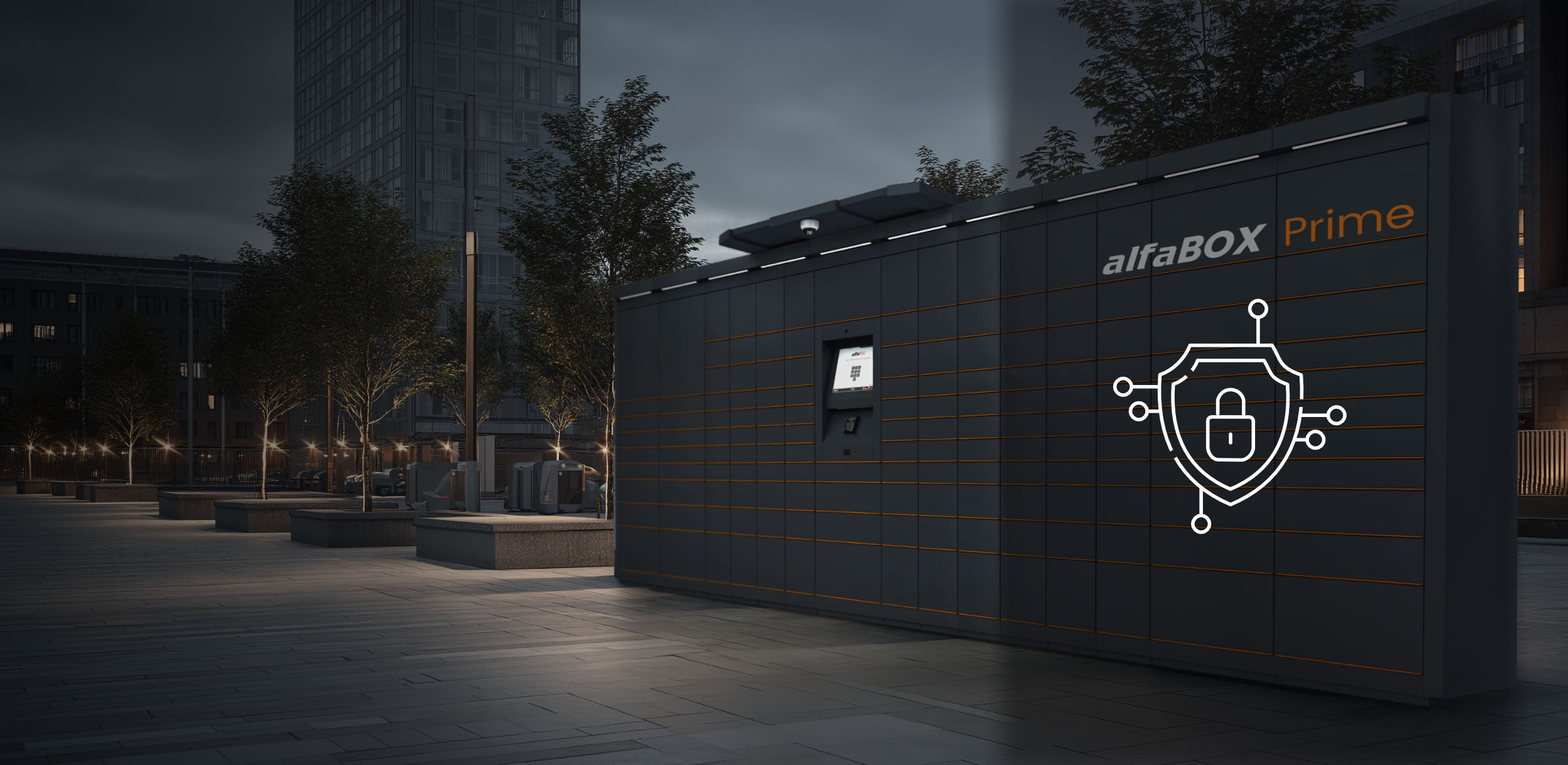
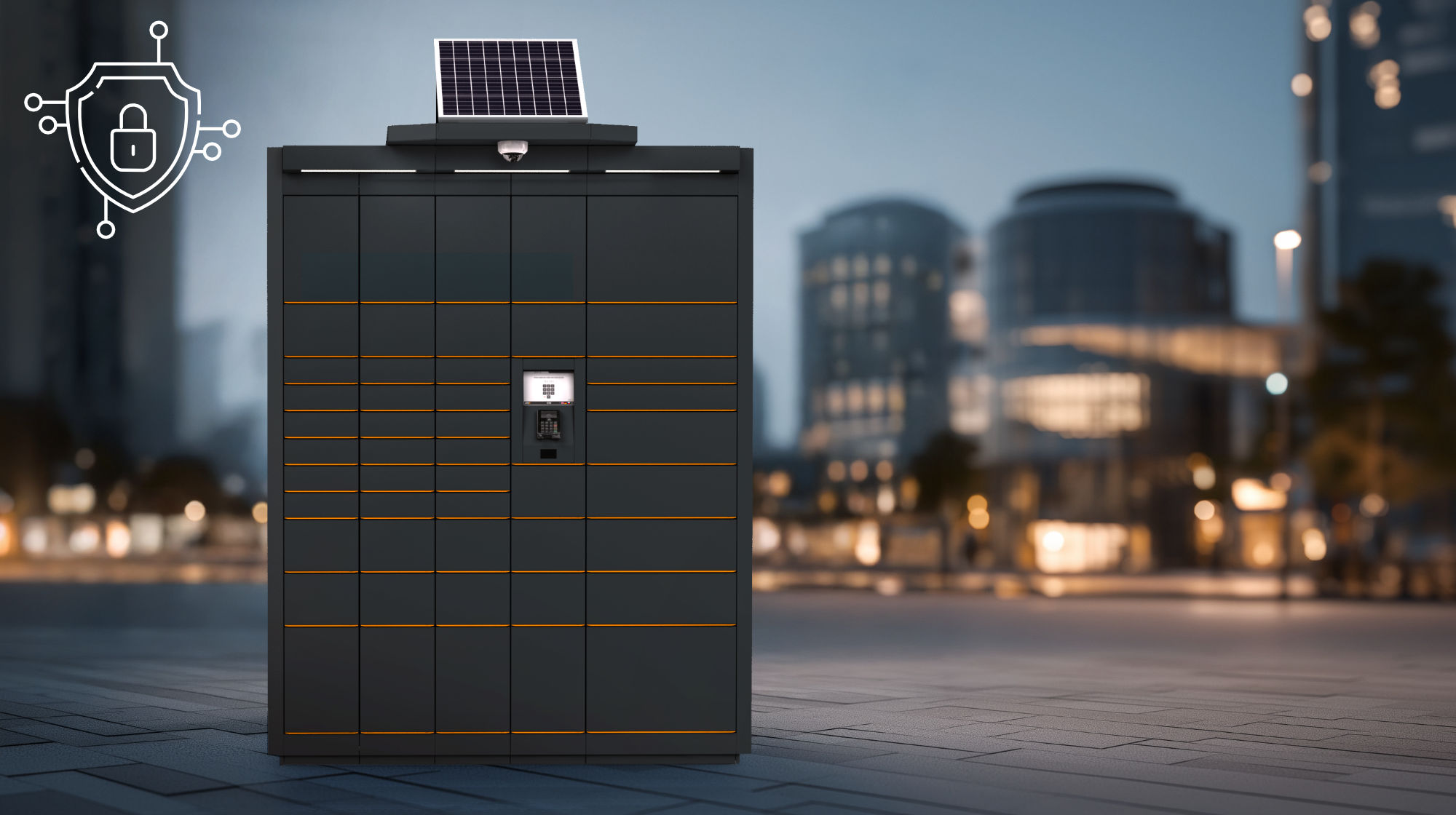
“It’s common to talk about parcel lockers needing to be solid, durable, and reliable. Much less is said about protection against digital risks, yet it’s just as important. Any device connected to a network has the potential to become a target. That’s why we think about security from the very beginning. We don’t wait for problems to appear. Security isn’t a reaction to incidents; it’s built into the architecture, just like mechanics, electronics, or the service concept. A locker can operate for many years. During that time, environments change, threats evolve, and integrations change. For long-term reliability, the digital foundation has to be just as solid as the physical structure.”
What makes a parcel locker truly secure?
“In practice, there’s no single ‘magic’ feature. Real security is built from a set of measures across software, communication, firmware, and hardware. At ALFA3, these layers are designed so they support each other, and a single issue does not automatically compromise the entire system.”
How are data protection and privacy handled?
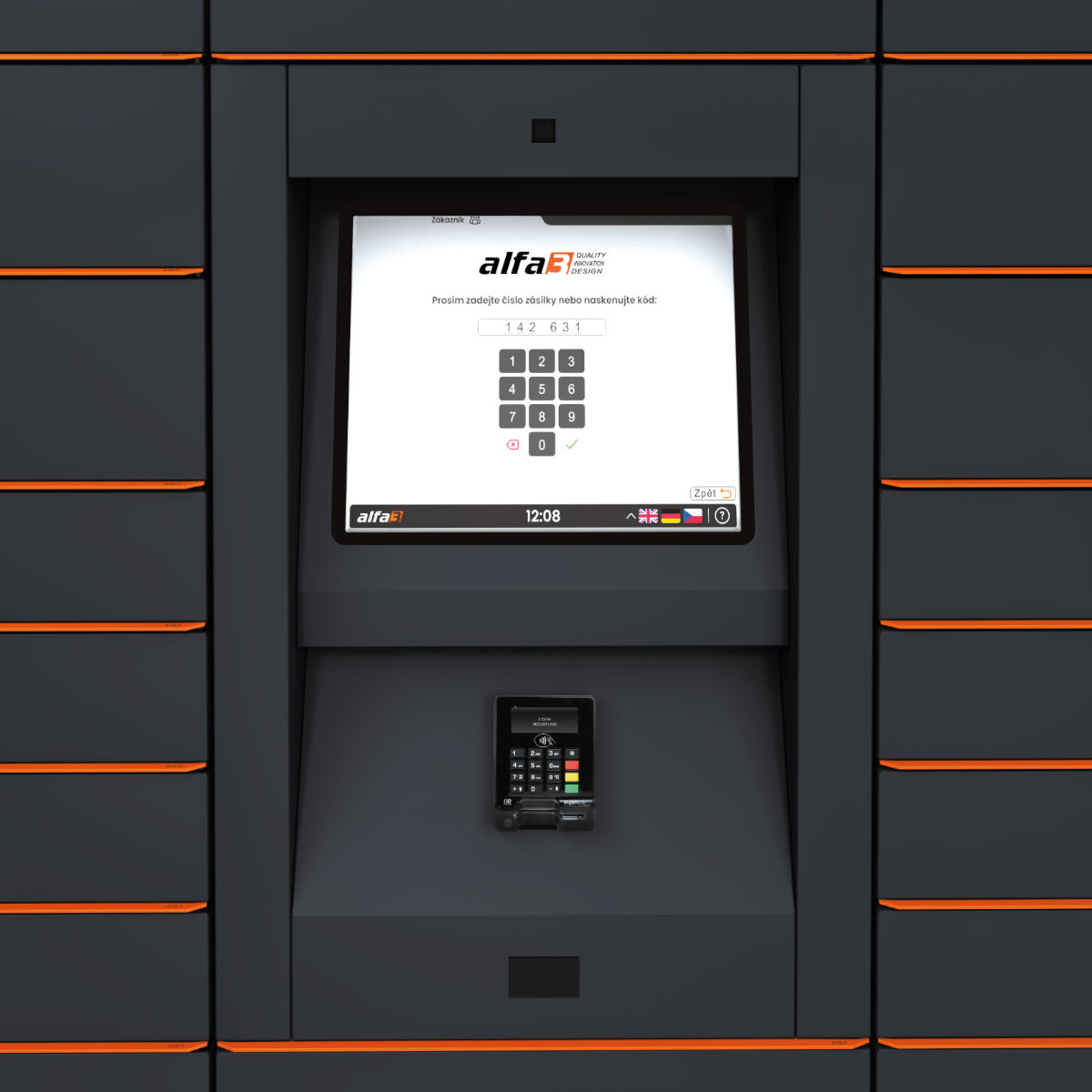
“All communication between the user, the system, and the locker is encrypted. That’s the absolute baseline,” says Skládaný.
“Roles and permissions are not cosmetic settings. A technician cannot do what an administrator can, and a user cannot perform service-level actions. Each role has a clearly defined scope.”
What about secure device communication?
“Data transfer and remote management use separate communication paths. This reduces risk and keeps the system clear and controllable. It’s a layered defense approach. We also simulate different attack scenarios and view the system from an attacker’s perspective.”
Are firmware and hardware secure? How do you handle non-standard situations?
“We digitally sign firmware. Even if someone attempted to upload an unauthorized version, the device would reject it.”
Why must openness in integrations never compromise security?
“Parcel lockers rarely operate in isolation today. They’re almost always part of a larger ecosystem, and integration is critical for partners,” Radim explains. “But openness must never come at the expense of security. Integrators can connect quickly to our system while knowing everything operates within clearly defined security boundaries. That’s what makes the solution suitable for retail, logistics, healthcare, cities, and public administration.”
What’s next: anomaly detection and real-time resilience
“We’re working on intelligent models capable of detecting unusual behavior in real time, whether physical or digital. Machine learning allows us to reduce reaction times from minutes to seconds,” says Skládaný.
Would you like to see how your pickup infrastructure can be secure and future-ready?
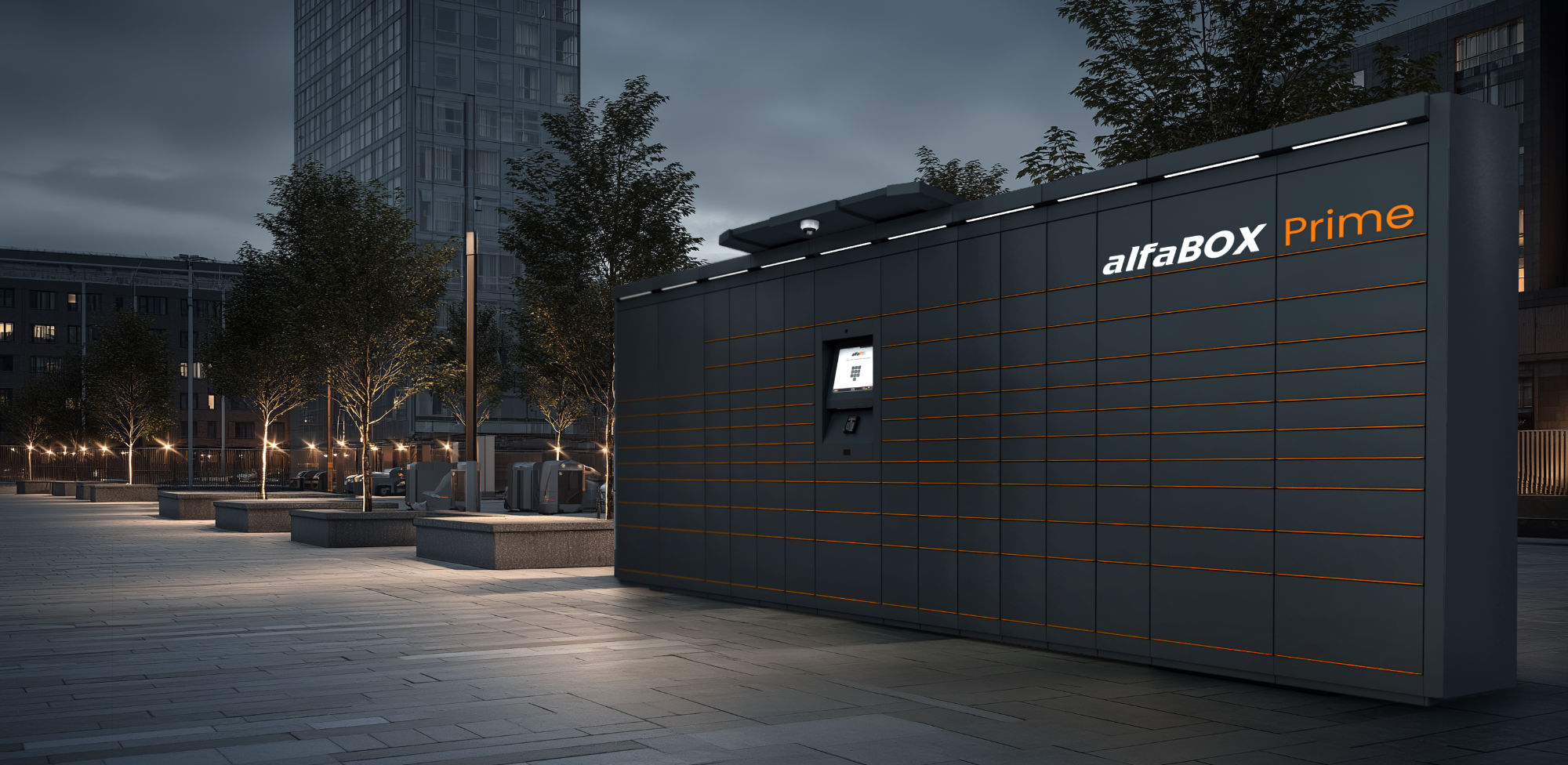
Safer pickup points for the 21st century
A modern parcel locker is no longer just a metal box. It’s a digital device with sophisticated software, communication, remote management, and security logic running beneath the surface. At ALFA3, we believe that combining high-quality hardware, reliable software, and strong security standards creates solutions operators can trust for the long term, and users can rely on day after day.